

Stopped exercising for weeks? Here's how fast cardio fitness declines and what happens inside your body
Nancy Jaiswal | Jun 21, 2026, 07:49 IST
Stopping exercise for an extended period can trigger detraining, a process that gradually reduces fitness gains. From declining cardiovascular efficiency to the risks linked with an inactive lifestyle, here's what changes and how to return safely.

Image credit : Pinterest | What happens to your body when you stop exercising?
Missing a few workouts is common. A busy schedule, travel, work commitments or unexpected events can interrupt even the most consistent fitness routine. Many people train regularly, build momentum and then suddenly realize that days have turned into weeks without exercise.
The body adapts to training, but it also adapts when training stops. While taking a short break for rest and recovery is a normal part of an exercise program, a longer period without activity can lead to what experts call detraining, also known as deconditioning. This process gradually reduces the physical benefits gained through regular exercise.
![]()
Understanding what happens during detraining can help explain why fitness feels different after a break and why returning to exercise is important for long-term health.
According to the American Council on Exercise (ACE), recovery is an important part of any exercise program. For most people, recovery generally includes one to three days of rest depending on the intensity of their activity.
![Stopping exercise for an extended period can trigger detraining]() However, when inactivity extends beyond a week, the effects of detraining can begin to appear. Unlike planned recovery, detraining refers to an extended period of reduced or no activity that leads to a decline in physical fitness.
However, when inactivity extends beyond a week, the effects of detraining can begin to appear. Unlike planned recovery, detraining refers to an extended period of reduced or no activity that leads to a decline in physical fitness.
The body responds to exercise by becoming stronger and more efficient. When exercise stops, those adaptations begin to reverse. How quickly this happens can vary, but the body starts adjusting to the absence of training sooner than many people expect.
One of the first areas affected by detraining is the cardiovascular system.
Regular aerobic exercise improves the heart's ability to pump blood and helps the body use oxygen more efficiently. A key measure of this ability is VO2 max, which reflects how effectively the body can utilize oxygen during physical activity.
Research shows that VO2 max can begin to decline significantly within just two to four weeks of detraining. This drop is linked to decreased blood volume and reduced cardiac output, both of which occur when regular exercise stops.
A study found that most of the aerobic capacity gained through exercise over a period of two to three months can be lost within two to four weeks of inactivity.
![The body adapts to training, but it also adapts when training stops]() As cardiovascular efficiency decreases, everyday physical tasks may start to feel more demanding. Activities such as climbing stairs or walking at a brisk pace can leave a person feeling winded because the body is no longer delivering oxygen to the muscles as efficiently as before.
As cardiovascular efficiency decreases, everyday physical tasks may start to feel more demanding. Activities such as climbing stairs or walking at a brisk pace can leave a person feeling winded because the body is no longer delivering oxygen to the muscles as efficiently as before.
Detraining affects fitness, but a consistently inactive lifestyle can have broader health consequences.
A sedentary lifestyle refers to spending large amounts of time sitting or lying down with very little or no exercise. Today, many people spend significant portions of their day engaged in sedentary activities. Leisure time is often spent using computers and other devices, watching television or playing video games. Many jobs involve long hours sitting at a desk, and commuting frequently involves sitting in cars, buses or trains.
Health experts have linked an inactive lifestyle to an increased risk of several chronic diseases. This has sometimes been referred to as "sitting disease."
A sedentary lifestyle can also increase the risk of premature death. The risks become greater as sedentary behavior increases.
The encouraging news is that it is never too late to change exercise habits.
People who have been inactive for a period of time do not need to return to intense exercise immediately. Starting slowly is often the best approach. A healthcare provider can help determine the most appropriate type and amount of activity based on an individual's health and fitness level.
Exercise can then be increased gradually over time. Even small amounts of physical activity are better than none. The goal is to steadily build activity levels and work toward the amount of exercise recommended for a person's age and health.
The key is not to become overwhelmed. Consistency is more important than trying to do too much too quickly.
Returning to movement does not always require a gym membership or a complicated training plan. Physical activity can be added to daily routines in a variety of ways.
At home, activities such as housework, gardening and yard work can provide physical activity. Increasing the pace of these activities can make them more challenging.
People can also stay active while watching television by lifting hand weights, doing gentle yoga stretches or using an exercise bike.
Walking is another practical option. Walking in the neighborhood, walking a dog, taking children to school on foot or walking with a friend can all help increase activity levels.
Standing while talking on the phone can also reduce sedentary time. For those interested in exercising at home, equipment such as yoga balls, exercise mats, stretch bands and hand weights can provide affordable workout options. Treadmills and elliptical trainers are additional options for those with the space and budget.
Many people spend most of their workday sitting, especially those who work in front of a computer. While fitting exercise into a busy schedule can be difficult, there are several simple ways to move more during the day.
One option is to get up from your chair and move around at least once every hour. Some people choose to park farther away from their workplace so they can walk a little more each day. Standing while talking on the phone or during a video meeting can also help reduce sitting time.
![Regular aerobic exercise improves the heart's ability to pump blood]() Some workplaces may offer stand-up desks or treadmill desks, which can encourage movement while working. Taking the stairs instead of the elevator is another simple way to add physical activity to the day.
Some workplaces may offer stand-up desks or treadmill desks, which can encourage movement while working. Taking the stairs instead of the elevator is another simple way to add physical activity to the day.
Using part of a break or lunchtime for a walk can also help increase daily movement. Instead of sending an email, walking to a colleague's office can provide another opportunity to be active. Some workplaces even hold walking or standing meetings instead of traditional meetings in a conference room.
These small changes may seem minor, but they can help reduce sedentary time and support a more active lifestyle.
The body adapts to training, but it also adapts when training stops. While taking a short break for rest and recovery is a normal part of an exercise program, a longer period without activity can lead to what experts call detraining, also known as deconditioning. This process gradually reduces the physical benefits gained through regular exercise.

Understanding what happens during detraining can help explain why fitness feels different after a break and why returning to exercise is important for long-term health.
Understanding detraining and when it begins

Image credit : Pinterest | Stopping exercise for an extended period can trigger detraining
The body responds to exercise by becoming stronger and more efficient. When exercise stops, those adaptations begin to reverse. How quickly this happens can vary, but the body starts adjusting to the absence of training sooner than many people expect.
What happens to cardiovascular fitness
Regular aerobic exercise improves the heart's ability to pump blood and helps the body use oxygen more efficiently. A key measure of this ability is VO2 max, which reflects how effectively the body can utilize oxygen during physical activity.
Research shows that VO2 max can begin to decline significantly within just two to four weeks of detraining. This drop is linked to decreased blood volume and reduced cardiac output, both of which occur when regular exercise stops.
A study found that most of the aerobic capacity gained through exercise over a period of two to three months can be lost within two to four weeks of inactivity.
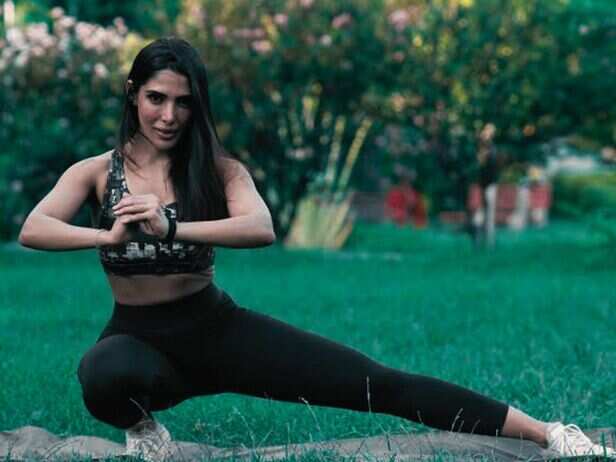
Image credit : Canva stock photos | The body adapts to training, but it also adapts when training stops
The broader impact of an inactive lifestyle
A sedentary lifestyle refers to spending large amounts of time sitting or lying down with very little or no exercise. Today, many people spend significant portions of their day engaged in sedentary activities. Leisure time is often spent using computers and other devices, watching television or playing video games. Many jobs involve long hours sitting at a desk, and commuting frequently involves sitting in cars, buses or trains.
Health experts have linked an inactive lifestyle to an increased risk of several chronic diseases. This has sometimes been referred to as "sitting disease."
A sedentary lifestyle can also increase the risk of premature death. The risks become greater as sedentary behavior increases.
Why returning to exercise matters
People who have been inactive for a period of time do not need to return to intense exercise immediately. Starting slowly is often the best approach. A healthcare provider can help determine the most appropriate type and amount of activity based on an individual's health and fitness level.
Exercise can then be increased gradually over time. Even small amounts of physical activity are better than none. The goal is to steadily build activity levels and work toward the amount of exercise recommended for a person's age and health.
The key is not to become overwhelmed. Consistency is more important than trying to do too much too quickly.
Simple ways to become more active again
At home, activities such as housework, gardening and yard work can provide physical activity. Increasing the pace of these activities can make them more challenging.
People can also stay active while watching television by lifting hand weights, doing gentle yoga stretches or using an exercise bike.
Walking is another practical option. Walking in the neighborhood, walking a dog, taking children to school on foot or walking with a friend can all help increase activity levels.
Standing while talking on the phone can also reduce sedentary time. For those interested in exercising at home, equipment such as yoga balls, exercise mats, stretch bands and hand weights can provide affordable workout options. Treadmills and elliptical trainers are additional options for those with the space and budget.
Finding more movement during the workday
One option is to get up from your chair and move around at least once every hour. Some people choose to park farther away from their workplace so they can walk a little more each day. Standing while talking on the phone or during a video meeting can also help reduce sitting time.

Image credit : Pinterest | Regular aerobic exercise improves the heart's ability to pump blood
Using part of a break or lunchtime for a walk can also help increase daily movement. Instead of sending an email, walking to a colleague's office can provide another opportunity to be active. Some workplaces even hold walking or standing meetings instead of traditional meetings in a conference room.
These small changes may seem minor, but they can help reduce sedentary time and support a more active lifestyle.

Could AI develop feelings? Scientists aren't sure
By Nancy Jaiswal

Can stress really change how you look?
By Nancy Jaiswal

A job or a subscription? Gen Z decides
By Nancy Jaiswal

Germany's new World Cup hero? 5 facts about Deniz Undav you need to know
By Sneha Kumari

Looking for a great love story? Start with these romance anime
By Iraa Paul

Foes to friends? Messi and Casemiro become Inter Miami teammates
By Nillohit Bagchi

This Father's Day, football dads who didn't stop at one
By Karen Noronha


