

Iran says Trump’s ceasefire strategy could be ‘tactical deception’ — Is another US strike already being planned?
Nancy Jaiswal | May 22, 2026, 09:32 IST
Iranian officials reportedly suspect the current pause in fighting with the US could be a strategic move before fresh attacks. The tensions come as Tehran hardens its stand on uranium stockpiles, while Donald Trump insists Iran will not be allowed to retain highly enriched nuclear material.

Image credit : Indiatimes | Iran questions Trump’s ceasefire intentions
Iran’s leadership is reportedly questioning whether the current pause in hostilities with the United States is genuine or part of a broader military strategy. According to two senior Iranian sources cited by Reuters, officials in Tehran suspect Washington may be using the ceasefire period to create a false sense of calm before launching new attacks.
![]()
The concerns have surfaced during a period of fragile diplomacy between both countries, as negotiations surrounding Iran’s nuclear programme continue alongside unresolved regional tensions. Iranian officials reportedly believe the reduction in conflict may not signal de-escalation but rather a tactical pause by the United States.
The report also stated that Iran is refusing to move its near-weapons-grade uranium stockpile outside the country, further complicating discussions with Washington.
Reuters reported that mistrust within Iran’s leadership remains high despite the current lull in direct military confrontation. Senior Iranian officials reportedly suspect that the United States could be preparing for another round of attacks while diplomatic discussions continue in parallel.
![Donald Trump insists Iran will not be allowed to retain highly enriched nuclear material]() Iran’s top negotiator, Mohammad Baqer Qalibaf, publicly reinforced those concerns on Wednesday. He stated that both “obvious and hidden moves by the enemy” suggested that the Americans were preparing for additional military operations.
Iran’s top negotiator, Mohammad Baqer Qalibaf, publicly reinforced those concerns on Wednesday. He stated that both “obvious and hidden moves by the enemy” suggested that the Americans were preparing for additional military operations.
His remarks reflect the growing distrust in Tehran following months of conflict involving US and Israeli military strikes on Iranian targets, retaliatory responses from Iran, and broader tensions across the Middle East.
Although fighting has slowed under the uneasy ceasefire arrangement, the latest statements indicate that Iranian leadership remains unconvinced that the pause will hold for long.
The Reuters report further claimed that Ayatollah Mojtaba Khamenei, Iran’s Supreme Leader, has ordered that the country’s highly enriched uranium stockpile must remain inside Iran.
That directive directly challenges one of the central demands reportedly being pushed by US President Donald Trump during negotiations. Trump has repeatedly maintained that Iran should not retain highly enriched uranium that could potentially support weapons development.
![US President Donald Trump]() Speaking at the White House, Trump made the US position clear.
Speaking at the White House, Trump made the US position clear.
“We will get it. We don’t need it, we don’t want it… We’ll probably destroy it after we get it, but we’re not going to let them have it,” Trump told reporters.
Israeli officials have also reportedly said that Trump assured Israel any future agreement with Tehran would require Iran’s enriched uranium stockpile to be removed from the country entirely.
The disagreement over uranium remains one of the biggest obstacles in ongoing diplomatic efforts.
Western governments have long accused Iran of moving closer toward nuclear weapons capability. Those concerns intensified after uranium enrichment levels reportedly reached 60% purity, a level significantly closer to weapons-grade material.
Iran, however, continues to reject accusations that it is seeking nuclear weapons. Tehran has repeatedly maintained that its nuclear programme is intended strictly for peaceful purposes.
Despite those assurances, tensions surrounding Iran’s nuclear activities continue to shape negotiations with the United States and its allies.
The situation remains further complicated by wider geopolitical disputes, including concerns linked to the Strait of Hormuz, ongoing US pressure measures, and uncertainty surrounding the future of the ceasefire itself.
The latest developments highlight how fragile the diplomatic process remains between Tehran and Washington. Even while negotiations continue, both sides appear deeply sceptical of each other’s intentions.
![US President Donald Trump during negotiations]() Iranian officials reportedly fear the ceasefire could be used strategically before fresh attacks are launched, while the United States continues pushing demands related to Iran’s uranium stockpile and broader nuclear programme.
Iranian officials reportedly fear the ceasefire could be used strategically before fresh attacks are launched, while the United States continues pushing demands related to Iran’s uranium stockpile and broader nuclear programme.
The uncertainty surrounding the current negotiations has also raised doubts about whether a long-term agreement can realistically be achieved under existing conditions.
With mistrust continuing to dominate discussions, the future of the ceasefire and broader diplomatic efforts remains highly uncertain.

The concerns have surfaced during a period of fragile diplomacy between both countries, as negotiations surrounding Iran’s nuclear programme continue alongside unresolved regional tensions. Iranian officials reportedly believe the reduction in conflict may not signal de-escalation but rather a tactical pause by the United States.
The report also stated that Iran is refusing to move its near-weapons-grade uranium stockpile outside the country, further complicating discussions with Washington.
Iranian officials warn of possible new military action
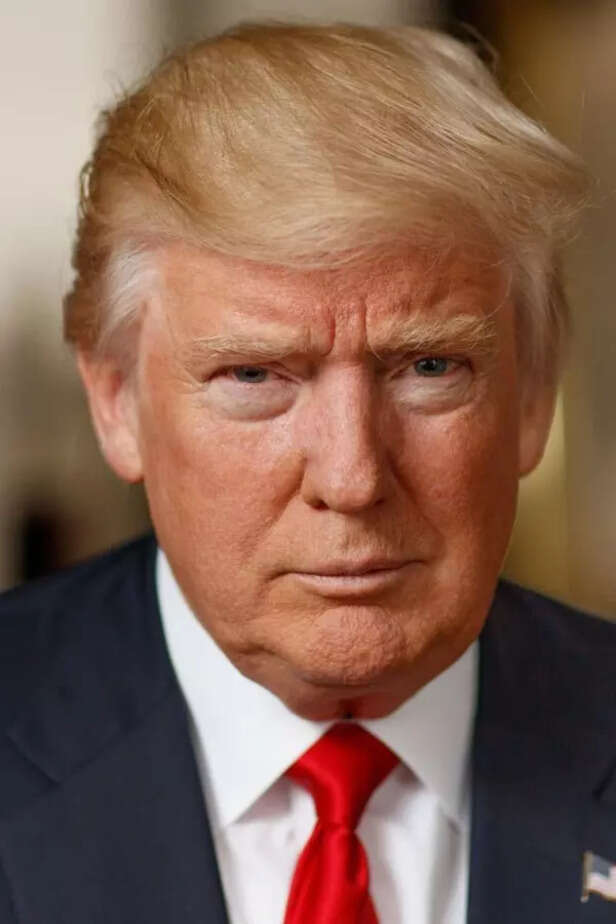
Image credit : X/Maga_Trigger | Donald Trump insists Iran will not be allowed to retain highly enriched nuclear material
His remarks reflect the growing distrust in Tehran following months of conflict involving US and Israeli military strikes on Iranian targets, retaliatory responses from Iran, and broader tensions across the Middle East.
Although fighting has slowed under the uneasy ceasefire arrangement, the latest statements indicate that Iranian leadership remains unconvinced that the pause will hold for long.
Uranium stockpile emerges as major flashpoint
That directive directly challenges one of the central demands reportedly being pushed by US President Donald Trump during negotiations. Trump has repeatedly maintained that Iran should not retain highly enriched uranium that could potentially support weapons development.
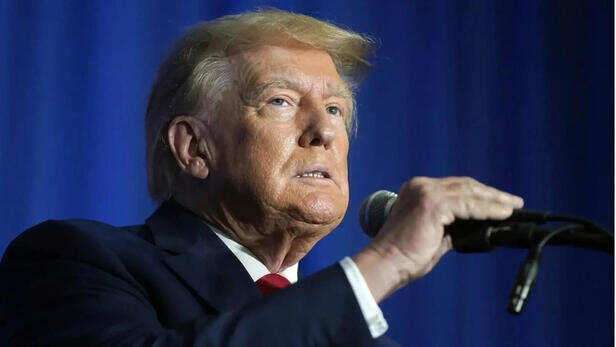
Image credit : X/Maga_Trigger | US President Donald Trump
“We will get it. We don’t need it, we don’t want it… We’ll probably destroy it after we get it, but we’re not going to let them have it,” Trump told reporters.
Israeli officials have also reportedly said that Trump assured Israel any future agreement with Tehran would require Iran’s enriched uranium stockpile to be removed from the country entirely.
The disagreement over uranium remains one of the biggest obstacles in ongoing diplomatic efforts.
Nuclear concerns continue to drive tensions
Iran, however, continues to reject accusations that it is seeking nuclear weapons. Tehran has repeatedly maintained that its nuclear programme is intended strictly for peaceful purposes.
Despite those assurances, tensions surrounding Iran’s nuclear activities continue to shape negotiations with the United States and its allies.
The situation remains further complicated by wider geopolitical disputes, including concerns linked to the Strait of Hormuz, ongoing US pressure measures, and uncertainty surrounding the future of the ceasefire itself.
Diplomacy faces deep distrust on both sides
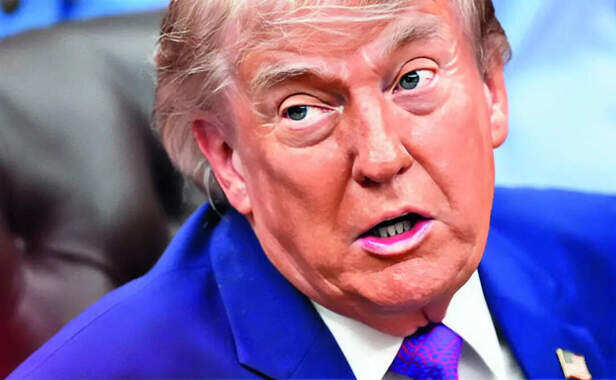
Image credit : X/Maga_Trigger | US President Donald Trump during negotiations
The uncertainty surrounding the current negotiations has also raised doubts about whether a long-term agreement can realistically be achieved under existing conditions.
With mistrust continuing to dominate discussions, the future of the ceasefire and broader diplomatic efforts remains highly uncertain.

Finished Off Campus already? Here are 5 more sports romance shows that will fill the Garrett Graham-shaped void in your life
By Tanima Mukherjee

Meghan Markle takes lead in Sussex business ventures
By Nancy Jaiswal

Trump says U.S. will not rush into Iran deal
By Nancy Jaiswal

Elon Musk AI power shift raises solar questions
By Nancy Jaiswal

Fact check: Is Kai Cenat really getting a height enhancement surgery?
By Sneha Kumari

How “ Queer slang” is ruling the internet without anyone realising
By Aparna Krishna

What happened at Gatwick Airport?
By Sneha Kumari


